Shah Allah Ditta Caves Islamabad | Complete Visitor Guide
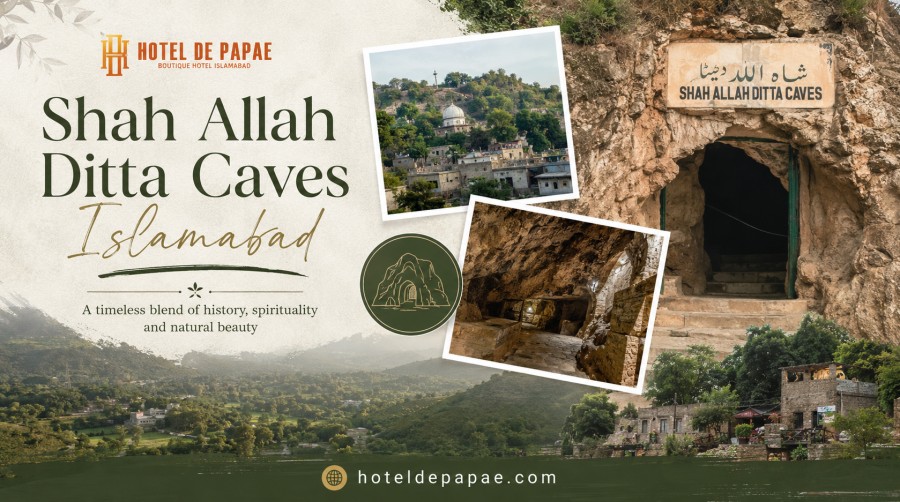
Shah Allah Ditta Caves Islamabad | Complete Visitor Guide
Shah Allah Ditta Caves Islamabad: A Practical Guide for Curious Travelers
A few minutes after leaving
Islamabad's broad avenues and organised sectors behind, the city begins to feel
surprisingly different.
As you move toward Shah Allah
Ditta, modern Islamabad slowly gives way to village streets, rocky Margalla
slopes and older trees. By the time you reach the caves, it no longer feels as
though you are visiting another city attraction. The setting is quieter,
rougher and much older.
Large banyan roots hang around
the rock shelters. A natural spring passes through the site. The hills rise
immediately behind you, and there are enough weathered walls, stones and
archaeological remains to make you stop and look more carefully.
That atmosphere is the real
reason to visit Shah Allah Ditta Caves
Islamabad.
Do not come expecting a huge
underground cave system. Come because this small corner of the Margalla
foothills combines almost 2,400 years of
history, nature, village life, hiking and a surprisingly peaceful escape from
central Islamabad.
What Shah Allah Ditta Actually Feels Like
The first thing you notice is
that Shah Allah Ditta does not feel like a polished tourist attraction.
There are no enormous entrance
gates or carefully designed walkways leading you towards the caves. The ground
is natural and uneven. Rock surfaces are weathered, old banyan trees stretch
across the site and hanging roots frame parts of the shelters almost like
curtains.
The natural spring adds another
layer to the setting. Around it are traces of older water structures and
channels, while the surrounding Margalla vegetation makes the area noticeably
cooler and calmer when you visit at the right time of day.
You may also see monkeys moving
through the trees, although they are better watched from a distance rather than
fed or approached.
This slightly raw environment is
part of the appeal.
More Than Just “Buddhist Caves”
You will often see Shah Allah
Ditta described online simply as the Buddhist
Caves of Islamabad, but the history is more interesting than that.
Archaeological evidence places
human and religious activity here roughly 2,400
years ago. Buddhist monks are believed to have used the natural rock
shelters during the region's Buddhist period, when nearby Taxila was a major
centre of learning and religious activity.
The caves were later associated
with Hindu sadhus and eventually Muslim ascetics. Hindu communities continued
to use the site for worship until Partition in 1947.
That makes Shah Allah Ditta
unusual among historical places in
Islamabad. It does not belong to one single period or religion. Instead,
different communities used the same spring, caves and route through the
Margalla Hills over many centuries.
Traces of historic plaster and
religious imagery have also been recorded around the site, although visitors
should not arrive expecting perfectly preserved ancient murals. Much of the
original surface detail has deteriorated over time.
The site was eventually declared
a protected antiquity, and archaeological conservation work continues to highlight
how important this apparently simple collection of rock shelters actually is.
Slow Down Around the Spring and Banyan Trees
It is easy to walk quickly
through the caves, take three photographs and decide you have finished.
That would miss much of the experience.
Spend some time around the spring
and the old trees instead.
The banyan roots are among the
most photogenic parts of Shah Allah Ditta, particularly where they fall across
the weathered rock. The combination of running water, stone and deep shade
creates the kind of atmosphere that explains why religious communities
repeatedly chose this spot for meditation and retreat.
Look closely and you will also
notice older stonework, water channels and structural remains around the site.
The caves themselves may only
occupy an hour of your day, but Shah Allah Ditta works best when you are not
rushing.
How to Reach Shah Allah Ditta from Islamabad
Shah Allah Ditta lies roughly 14 kilometres northwest of central
Islamabad, against the southern side of the Margalla Hills.
Most visitors approach it through
the D-12 side of Islamabad before continuing towards Shah Allah Ditta village.
The transition is noticeable. The
organised sectors disappear behind you and the road begins to feel more like a
village-and-hills route.
One important point for anyone
reading older travel guides: road conditions have improved compared with many
of the complaints found in older visitor reviews. You should not automatically
expect the badly broken access road described in articles from several years
ago.
That said, conditions can change
after heavy rain, construction or local roadworks, so checking your live route
before leaving is still sensible.
For first-time visitors, daylight
travel is much easier than trying to find the site after dark.
Best Time to Visit Shah Allah Ditta Caves
Early morning suits Shah Allah
Ditta particularly well.
If you arrive somewhere around 7:30 to 10:30 AM, the temperature is
usually more comfortable, the surroundings are quieter and the softer light
works better for photographs.
Late afternoon is another good
option, particularly from autumn through spring. Arriving around 3:30 PM gives you time to see the
caves, walk around and potentially have tea or an early meal before sunset.
For weather, October to March is the easiest period for exploring.
Summer visits are still possible,
but avoid the middle of a hot day. Shah Allah Ditta is an outdoor heritage
site, and heat makes the uneven terrain and any additional hiking much less
enjoyable.
The monsoon can make the Margalla
surroundings beautifully green, but rain also makes stone and natural trails
slippery.
There is no consistently
published official visitor schedule, so rather than depending on conflicting
online opening-hour listings, plan your visit during daylight hours.
How Long Do You Need?
If you only want to see the main
caves and spring area, allow around 45
to 90 minutes.
For a more relaxed visit with
photographs and tea, give yourself two
to three hours.
If you want to add hiking,
village exploration or lunch nearby, Shah Allah Ditta easily becomes a half-day outing.
And if you are planning to hike
towards the Ban Faqiran archaeological site, do not treat that as a small
extension to the cave visit. It needs extra time and preparation.
Ban Faqiran: The Adventure Beyond the Caves
Travellers interested in
archaeology or hiking can continue deeper into the Margalla landscape toward
the Ban Faqiran Buddhist Stupa.
This is very different from
visiting the main caves.
The stupa lies higher in the
hills and involves a steep climb, with the hike commonly taking around two
hours depending on route, pace and conditions.
If you decide to attempt it, wear
proper walking shoes, carry water and start early enough to return comfortably
in daylight.
It is also better to go with
other people or someone familiar with the area rather than treating it as an
improvised solo walk.
For most families, the caves and
surrounding garden provide the easier experience.
For hikers and travellers who
enjoy exploring places beyond Islamabad's usual tourist circuit, Ban Faqiran
adds a completely different dimension.
Where to Eat Near Shah Allah Ditta
The best-known dining stop near
the caves is Sadhu's Retreat, which
sits in the Margalla surroundings close to the heritage area.
The attraction here is as much
about the setting as the food.
Outdoor seating, hills and a more
rustic atmosphere make it a natural place to stop after exploring the caves.
For something simpler, small
local tea and snack stops around the area can be more enjoyable than a formal
meal.
After walking around the caves, chai and hot pakoras under the trees
somehow fit the setting perfectly.
Is Shah Allah Ditta Good for Families?
Yes, provided you know what to
expect.
The main cave area can work well
for families because the visit does not require a major hike. Children can
enjoy the trees, water, rocks and open surroundings, and nearby food makes it
easier to turn the trip into a relaxed outing.
However, this is still a natural
heritage site.
Expect uneven surfaces rather
than smooth pavements. Older visitors or anyone with limited mobility may need
extra care, particularly around rough sections.
Families with young children
should probably keep the visit around the caves, spring and nearby restaurant
rather than attempting the steep Ban Faqiran route.
Who Will Enjoy Shah Allah Ditta Most?
Shah Allah Ditta is particularly
rewarding for:
·
history and archaeology enthusiasts
·
photographers
·
hikers
·
couples looking for a quieter Islamabad outing
·
families wanting something different from malls
and parks
·
overseas visitors interested in Pakistan's
layered history
·
travellers who have already covered Islamabad's
major landmarks.
It may be less impressive for
someone expecting enormous underground caverns or a highly developed tourist
complex.
The best way to appreciate it is
to see the whole landscape as the
attraction, not only the caves.
Visit Responsibly
Shah Allah Ditta has survived
centuries of changing communities and uses. Modern visitors have a
responsibility not to become the reason it deteriorates further.
Do not carve names into rocks or
trees. Avoid touching old plaster or archaeological surfaces. Take rubbish back
with you, and do not feed monkeys.
Remember too that you are passing
through an established village, not a purpose-built tourism zone.
Treating both the archaeological
site and the local community with respect makes the experience better for everyone.
Staying Centrally While Exploring Islamabad's
Hidden Places
Shah Allah Ditta is a good
example of why staying in central Islamabad can be more practical than choosing
accommodation beside one particular attraction.
From Hotel de Papae in Blue Area, visitors can plan Shah Allah Ditta
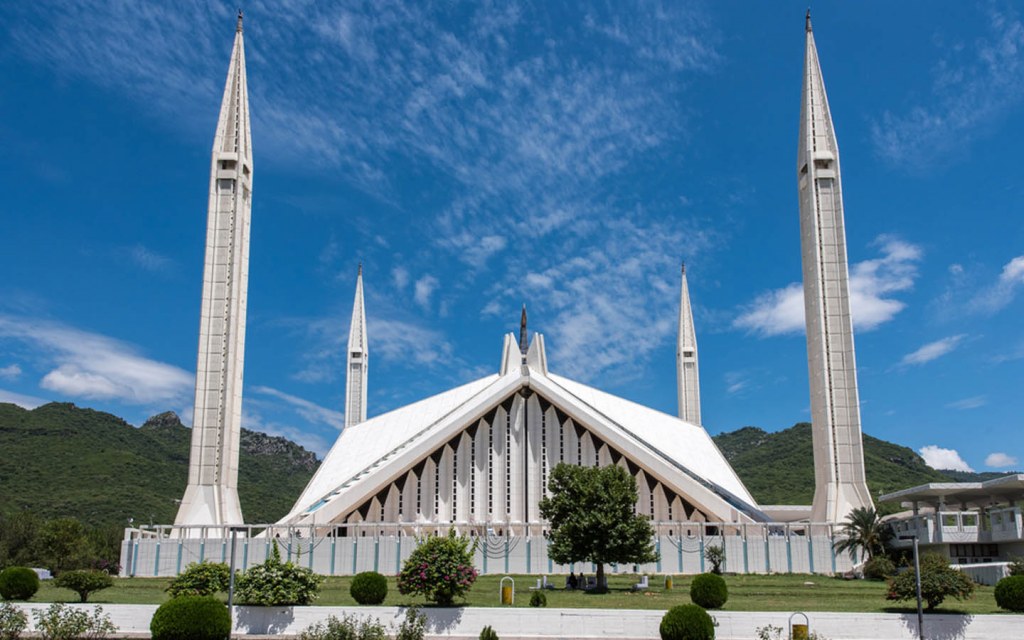
alongside other places to visit in Islamabad such as Faisal Mosque, the
Margalla Hills, Pakistan Monument, F-6 and F-7 without changing hotels or
building the whole trip around one area.
For a short Islamabad stay, that
flexibility matters.
Spend one morning exploring Shah
Allah Ditta, return to central Islamabad in the afternoon, and use the evening
for dining, shopping or another attraction.
Frequently Asked Questions
1. Do you need a guide to visit
Shah Allah Ditta Caves?
No guide is necessary for exploring the main cave area. However, a
knowledgeable local guide can add useful historical context, especially if you
plan to explore archaeological sites or hiking routes farther into the Margalla
Hills.
2. Can Shah Allah Ditta Caves be
combined with other Islamabad attractions in one day?
Yes. A morning visit can easily be combined with places such as Faisal Mosque,
Daman-e-Koh or other Margalla Hills attractions later in the day.
3. What should you carry when
visiting Shah Allah Ditta Caves?
Bring drinking water, comfortable walking shoes, sun protection and a charged
phone. If you plan to hike beyond the main caves, carry extra water and allow
enough daylight for the return journey.
Is Shah Allah Ditta Worth Visiting?
Yes - but go with the right
expectations.
Shah Allah Ditta is not
impressive because the caves are enormous. It is memorable because 2,400 years of history sit quietly among
banyan trees, spring water, weathered rock and the Margalla Hills.
It is one of those hidden places in Islamabad where
slowing down improves the experience.
Walk around the caves rather than
rushing through them. Look closely at the old water structures and tree roots.
Sit down for a few minutes. Have chai before leaving. And if you enjoy hiking,
consider returning another day to explore farther into the hills.
Modern Islamabad may only be a
short drive away, but for an hour or two at Shah Allah Ditta, it can feel much
farther.
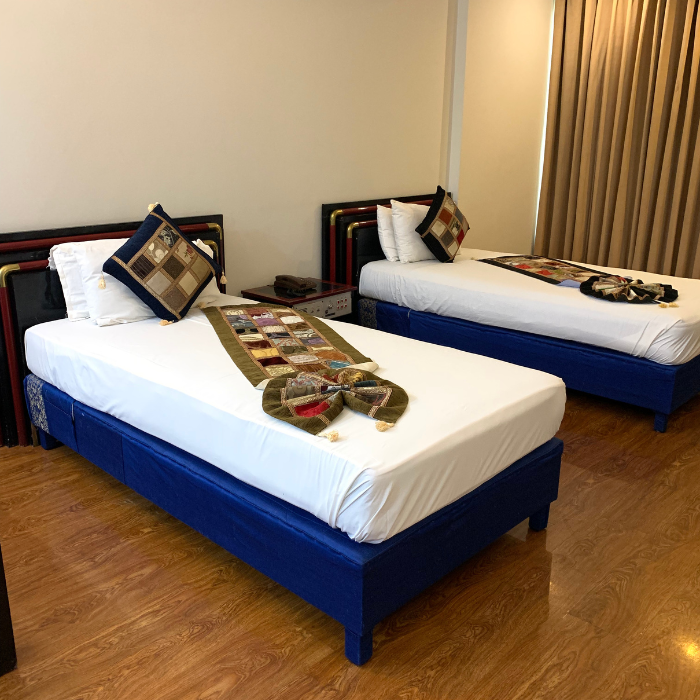
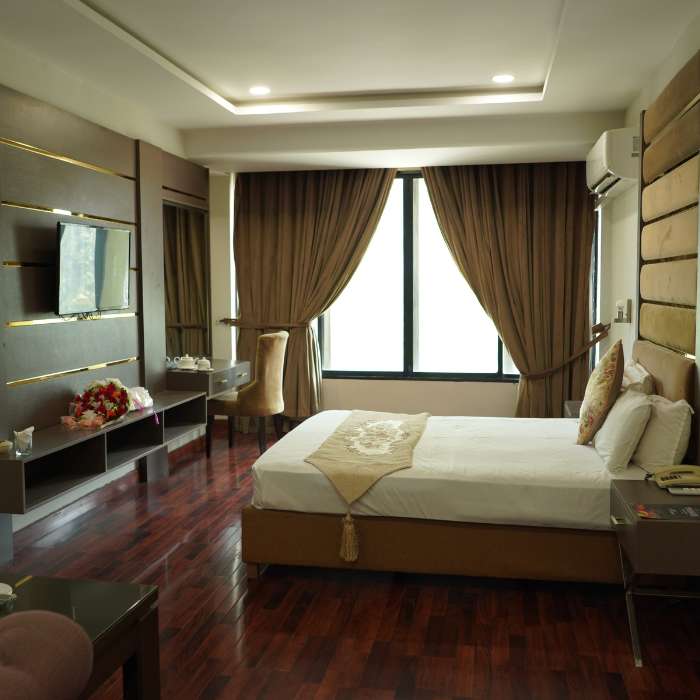
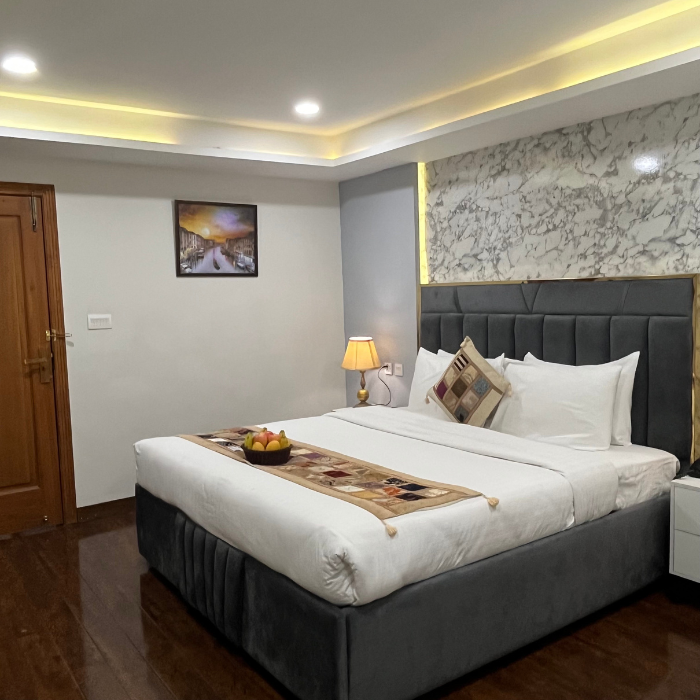
Book Online with Ease – Hotel Reservation in Islamabad
Looking for a reliable hotel booking in Islamabad? Our easy-to-use online hotel booking system allows guests to check availability, choose preferred rooms, and confirm reservations instantly. Our website is optimized for both desktop and mobile users, ensuring a hassle-free hotel reservation experience from anywhere. Guests can enjoy peace of mind knowing their accommodation in Islamabad is secure, with email confirmation and 24/7 support available for any assistance.
Best Hotel Rates in Islamabad
Hotel de Papae offers the best hotel rates in Islamabad without compromising on quality. Enjoy special discounts for direct bookings and group stays. Take advantage of seasonal offers and unbeatable prices for a luxurious 3-star experience in the Blue Area.
Hotel near Islamabad Airport
Looking for a hotel near Islamabad Airport? Hotel de Papae is just a short drive away and offers convenient airport pick and drop services on request. Our ideal location ensures easy travel and more time to explore Islamabad.
TABAQ Restaurant
Are you looking for the best restaurant in Islamabad? Look no further than TABAQ Restaurant at Hotel de Papáe. This restaurant at Hotel de Papáe offers the best Desi Food in Islamabad, as well as international and national cuisine.
Your Perfect Family Getaway
Best Family Hotel in Islamabad
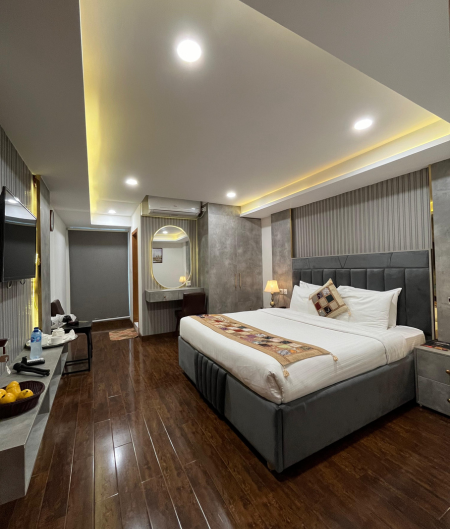
Hotel de Papae is the ideal choice for families seeking a safe, comfortable, and affordable stay in the heart of Islamabad. Our spacious family rooms, friendly staff, and close proximity to parks, shopping malls, and top attractions make us the best family hotel in Islamabad. Enjoy personalized hospitality, in-house dining, and a home-away-from-home experience for every member of your family.
Peaceful stay
Great scenery
Friendly staff
Best Desi Food
Discover Islamabad – Popular Attractions Near Our Islamabad Hotel
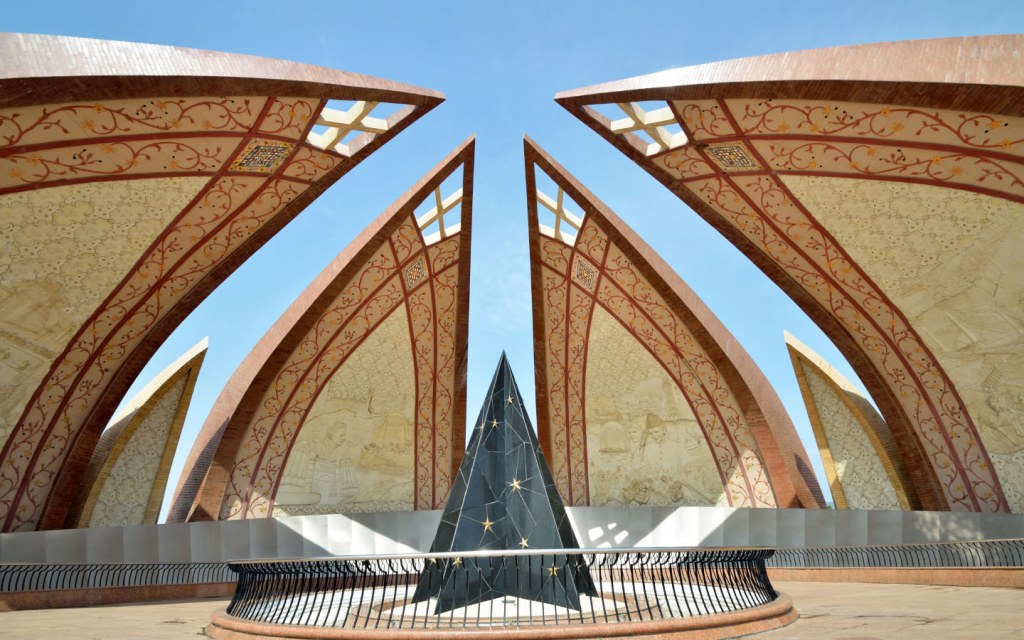
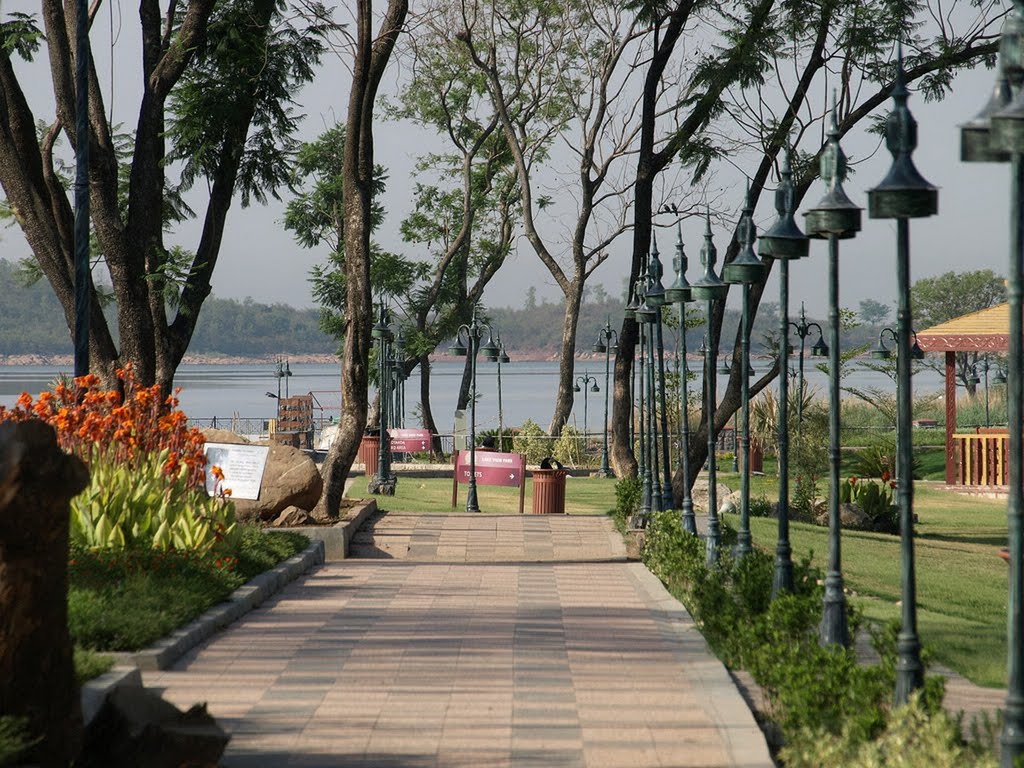
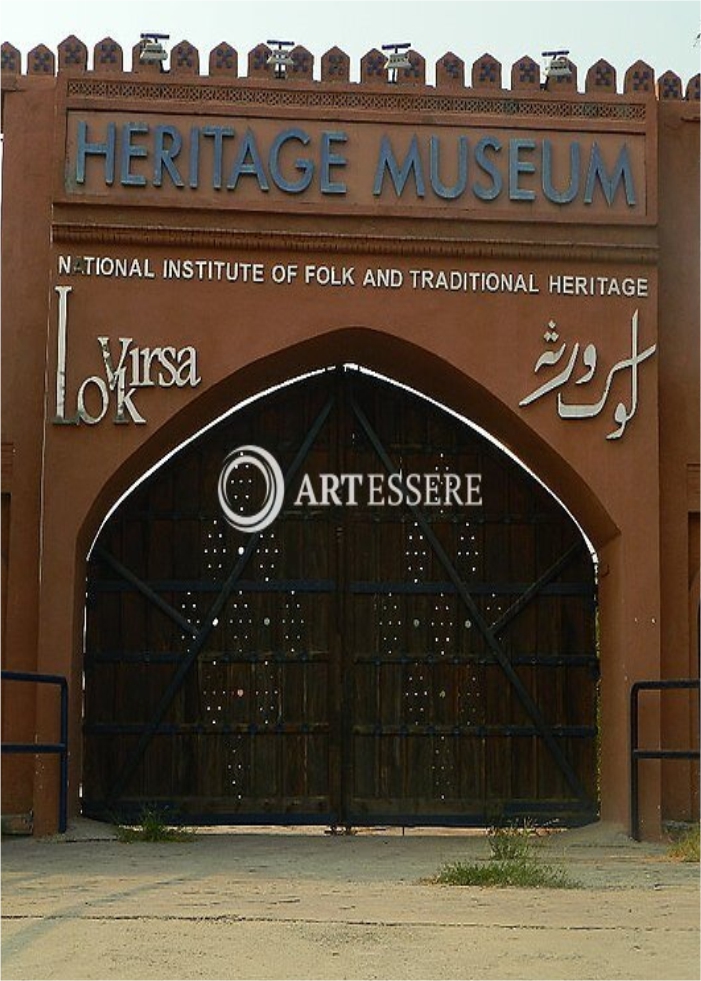
Staying at Hotel de Papae means you're just minutes away from the most popular attractions in Islamabad. From the iconic Faisal Mosque and panoramic views at Daman-e-Koh to cultural gems like Lok Virsa Museum and the lively Centaurus Mall, every landmark is within easy reach. Whether you're here for business or leisure, our central location in Blue Area places you at the heart of the capital's beauty, culture, and convenience. Discover the best of Islamabad right outside your hotel room.
An exceptionally excellent, fine dining restaurant in Islamabad. Sumptuous food, fabulous environment, great hospitality. Place to visit and stay for absolute homely feeling, when away from home. Undoubtedly, one of the finest places I miss most, back home, while being in United States.

One of my favourite restaurants in Islamabad. Best high quality fresh clean desi food hands down with very calm and comfortable ambiance that makes the dining out experience even better. It's a relatively undiscovered gem in the heart of Islamabad....
Their food quality, ambience and attention to detail is awesome. On my insistence, the manager of the hotel showed me the kitchen, and it was jaw dropping clean. Clean, tidy and a very good enviroment. Should venture into Roof top Barbequee. Way to go!!!
Hotel de Papae’s Blog - Travel Tips, Insights & More
Stay updated with the latest travel tips, hotel guides, and must-visit attractions in Islamabad on our blog. From planning the perfect stay to exploring hidden gems around the city, our articles are crafted to help you make the most of your trip. Whether you're visiting for business or leisure, find inspiration and valuable insights right here. Your journey to discovering the best of Islamabad starts at Hotel de Papae.
.jpg)
30 Sep
F-9 Park Islamabad Guide| Family Activities & Travel Tips
Planning a visit to F-9 Park Islamabad? Discover walking tracks, family activities, best visiting times, nearby food, transport tips and where to stay.
Read More....jpg)
30 Sep
Daman-e-Koh vs Pir Sohawa| Which Viewpoint to Visit?
Compare Daman-e-Koh and Pir Sohawa by views, access, family suitability, photography, food and timing to choose the right Islamabad viewpoint.
Read More...
13 Aug
Shah Allah Ditta Caves Islamabad | Complete Visitor Guide
Planning a visit to Shah Allah Ditta Caves Islamabad? Discover its 2,400-year history, best time to visit, hiking, nearby food and practical travel tips.
Read More...